
BIRTH COHERENCE™ · A NONA EDUCATION PROGRAM
Birth Coherence™
Aligning the mind, body, and support
An educational program developed by perinatal therapist Erica Kroll, drawing on 25 years of experience. Through Birth Coherence™ classes for parents and trainings for professionals, we teach the physiology of birth: how the mind, body, support, and environment align to shape labor.
The framework at a glance
Birth unfolds in conversation between mind, body, and environment.
Developed by a perinatal therapist with over 25 years of experience in perinatal education and support, Birth Coherence™ integrates the dynamic relationship between the mind, body, support, and environment, revealing how internal and external systems continually influence one another during birth.
Birth Coherence™ is taught through structured educational programs: childbirth education classes for expectant parents and professional trainings for doulas, prenatal yoga teachers, and clinicians. Each program teaches the physiology of birth through the Birth Coherence™ model of mind, body, support, and environment.
THE FRAMEWORK BEHIND EVERY NONA CLASS AND TRAINING
The science of Birth Coherence™
Safety isn't universal, it's nervous system dependent.
Birth Coherence™ synthesizes neurophysiological research within the organizing lens of polyvagal theory to illuminate how the nervous system evaluates cues of safety and threat through connection, voice, facial expression, and touch. Those cues influence whether the body remains in a state that supports labor or moves toward defense.
When safety and connection are present, oxytocin and endorphins rise, supporting effective contractions and the internal focus that physiologic birth depends on. When the nervous system interprets threat, adrenaline and cortisol rise, and labor frequently slows or stalls.
Birth Coherence™ translates this science into a structured, teachable model, moving preparation and support beyond comfort measures and coping techniques into nervous system literacy and attuned support.
01
Mind
Knowledge, realistic expectations, values, decision-making, and emotional preparation.
02
Body
Nervous system regulation, embodiment, labor physiology, movement, breath, and rest.
03
Support and environment
Relationships, co-regulation, language, advocacy, the sensory environment, and care-team dynamics.
What Birth Coherence™ makes possible
For birth parents
Birth is a process shaped by how the mind, body, and environment interact. Birth Coherence™ gives language and structure to that process: how to work with your body, how to communicate your needs, and how to create conditions that support the experience you hope to have.
It creates the possibility for parents to feel grounded and connected, regardless of how birth unfolds.
For partners and support people
Birth is a profoundly social process. The nervous systems of everyone present are communicating, often without words. When a birthing person feels attuned support, their body interprets that connection as safety, and labor can progress more efficiently.
Birth Coherence™ gives partners a way to participate with intention, noticing what brings steadiness and connection, and protecting the conditions that allow that sense of safety to hold.
For birth professionals
For those who support birth in clinical or educational settings, Birth Coherence™ integrates physiology, psychology, and environment. It provides tools to interpret labor behaviors, including voice tone and patterns of movement, as expressions of autonomic state, guiding more attuned and effective responses.
The origin of Birth Coherence™
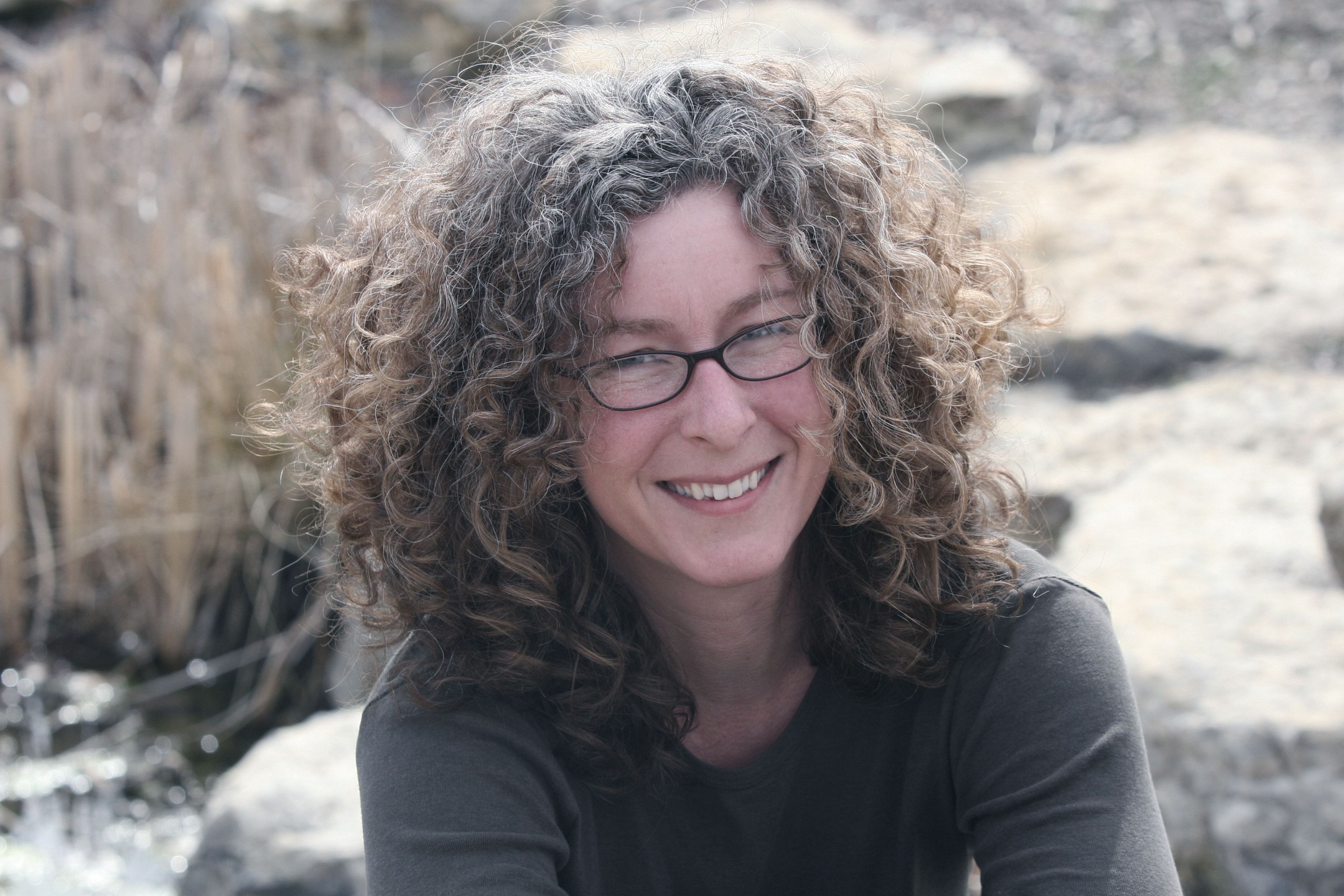
ERICA KROLL, M.ED, LPC · FOUNDER OF NONA BIRTH EDUCATION
Birth Coherence™ grew out of decades of teaching and observing how the mind and body influence the experience of birth.
Early in my career, I taught mindfulness as a coping skill for labor. Mindfulness is a top-down regulation strategy, one that helps parents work with awareness, attention, and breath to stay present through intensity. Through teaching mindfulness-based prenatal yoga, I explored bottom-up strategies: movement, rhythm, breath, and posture that support the body's capacity to regulate from the inside out.
Over time, I began to notice patterns. When parents practiced both kinds of regulation, their ability to cope improved. They communicated more clearly, felt more grounded, and navigated unpredictable situations with greater steadiness. Even when birth didn't go as planned, they described feeling connected, capable, and supported. ObGyns, midwives, and family practice physicians began referring their patients to my classes because the differences were observable in coping capacity and in outcomes.
As a doula, educator, and therapist, I developed models to describe and teach what I was seeing. Recognize, Respond, Regulate™ and Rhythm, Receive, Rest™ became practical tools for teaching parents and professionals how to align physiological and relational processes during labor.
Where Birth Coherence™ is taught
For parents
Birth Coherence™ Education Course
Childbirth education for expecting parents, teaching the mind-body physiology of labor and birth.
Explore the course →Birth Coherence™ Coaching
Private, nervous system informed birth preparation with Erica.
Explore coaching →Nona® Prenatal Yoga & Support
A six-week series of prenatal yoga, education, and group support in Columbia, Missouri.
Explore the class →For professionals
Birth Coherence™ Doula Training
Doula training and certification grounded in the Birth Coherence™ framework.
Explore the training →Prenatal Yoga Teacher Training
Certification for yoga teachers and birth professionals bringing regulation into prenatal classes.
Explore the training →Applied Polyvagal Theory in Childbirth
Online, self-paced professional training approved for 4 DONA International CEUs.
Explore the training →BIRTH COHERENCE™
Learn the mind-body physiology of birth
Classes for parents and trainings for professionals, in Columbia, Missouri and online.
Stay connected
Sign up for news, announcements, and reflections on the neuroscience of birth.